
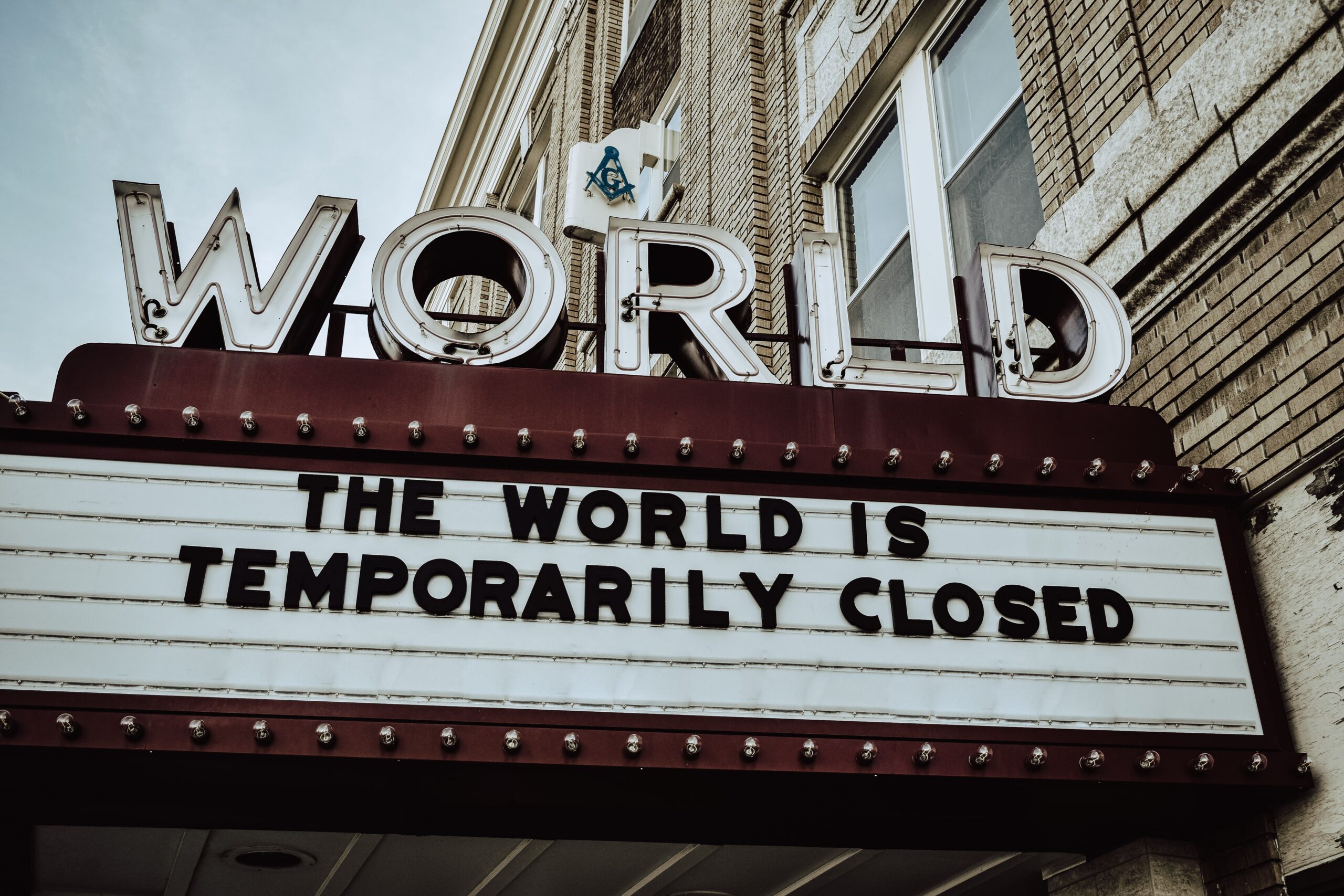
There is no question our world has changed. We are finding new ways to do things we took for granted before. Business owners who are shut down are reinventing their businesses. Others have learned to operate remotely. But, how many of these changes will continue in the years ahead, after we’ve been able to return to “normal” – whatever that turns out to be? Here’s what I think.
A More Digital World
 The move into digital has accelerated significantly. Older generations who were perfectly happy just checking in on Facebook and using Google have now learned how to use digital tools like Zoom and Skype to connect with their loved ones. They have had to figure out how to order groceries and necessities online. This forced learning isn’t going to go away. They will become comfortable with these digital tools and will continue to use them after things open up again.
On the other end of the scale, more young people have access. In Detroit, about 51,000 school kids were given computer tablets and provided high speed internet so they could continue school from home. And that’s just here in Detroit. Nationwide hundreds of thousands now have access where they didn’t before. They are not going to just give that up either.
So, more people have access to and are using digital than ever before. Those of us who were already using digital have come to rely on it even more. This enormous growth in usage isn’t going to go back to pre-pandemic levels again. The world’s digital infrastructure will need to keep up with this new demand.
The Changing Face of Business
There are several trends that I believe will be pushed past the tipping point by our current situations. One is the practice of telecommuting. It was already growing, especially in the more tech related businesses, giving them access the best talent anywhere in the world working remotely.
 But, many more traditional businesses were afraid of letting employees work remotely, worried they wouldn’t be productive at home. Now, any business that can be run remotely is forced to do so. Those businesses are not only going to get used to workers working at home, but will see that it can work and any employee worth having will do their jobs. Although, initially people are going to want to get away from home and back to their workplaces, I could see a lot of businesses adopting a more fluid work location policy – especially if it means they can cut their rent and office equipment costs.
Another trend getting pushed past the tipping point is business travel, especially for meetings. Already, I traveled less in my last 5 years working than I did my first year. Digital tools and teleconferencing have greatly reduce travel already. Now, that all meetings are taking place online, companies are working out the kinks and finding it is an acceptable way to meet. Combine that with a fear of being packed into a flying metal tube of recirculated air and I think you have the recipe for far less business travel. No, it won’t go away completely, but I don’t think it will go back to pre-pandemic levels either.
 Speaking of those online video meetings, seeing everyone in their home environment, wearing comfortable stay at home clothes has normalized not just business casual, but casual. Fewer and fewer companies were sticking to the old dress codes. I think even more will be even more casual once this is over. I don’t think the no pants trend will stick, however.
Innovation and Reinvention
Forced to shut their businesses, many owners and entrepreneurs have come up with innovative ways to use what they have in new ways. This is especially true in the hard hit restaurant and bar industry. With much of the food supply chain geared towards restaurants, it’s been hard to reconfigure it for our new reality. In response, many of the restaurants are packaging some of the food they get and selling it direct to consumers. This helps everyone, the restaurant can make some money and support the supply chain and the customer can get food without going into a crowded and understocked grocery store.
 While that trend might not continue for years to come, other restaurant owners have found innovative ways to reimagine their businesses in ways that could stick. I heard of one owner of several restaurants in California taking stock of all his wines and offering personal sommelier service. He has people describe the types of wine and food they like, then he selects wines from his stock that fits their tastes and sends them a curated box of various wines.
Closer to home, I heard on a recent Daily Detroit podcast about a local bar owner who has started using his stock to create frozen craft cocktail cubes that people can buy and add their own liquor to create craft cocktails at home. It’s become so popular, he has talked about creating a craft cocktail at home for small parties business when we all can gather again.
Then there are local businesses who now must provide local pickup or delivery of goods, from grocery to hardware. With Amazon’s focus on more essential items, those are things that take a week or longer to get from the global giant. Whereas, the local stores can get them to you right away. Is this a trend that eat into Amazon’s hold on our online buying and give locals a foothold? Only time will tell.
What changes do you see sticking around for the long run? What other trends do you see exploding and sticking? I’d love to hear your thoughts.
 Mike McClure, sitting and working at home
If you’d like to follow my blog, please subscribe
[email-subscribers-form id=”1″]